

SMC: A Proven Forex Trading Strategy That Actually Works, A strategy take have pay so many traders
Forex traders are constantly searching for strategies that provide consistency, precision, and an edge in the market.
While many retail traders rely on indicators, moving averages, and oscillators, institutional traders often focus on market structure and liquidity. This is where Smart Money Concepts (SMC) comes into play.
SMC has gained immense popularity among forex traders because it aims to follow the footprints of banks, hedge funds, and large market participants. Instead of relying solely on lagging indicators, SMC focuses on understanding how the market moves, where liquidity resides, and how institutional traders manipulate price before major moves.
In this guide, we’ll explore what SMC is, why it works, and how you can implement it into your forex trading strategy.
What Is Smart Money Concepts (SMC)?
Smart Money Concepts is a trading methodology based on the idea that major financial institutions control a significant portion of market liquidity.
These institutions often influence price movements by targeting areas where retail traders place their stop losses and pending orders.
The objective of SMC is to identify where institutional traders are likely entering and exiting positions. By understanding these movements, retail traders can align themselves with the “smart money” rather than trading against it.
Key SMC principles include:
- Market Structure
- Liquidity
- Order Blocks
- Fair Value Gaps (FVGs)
- Break of Structure (BOS)
- Change of Character (CHOCH)
Together, these concepts help traders anticipate market direction with greater confidence.
Why SMC Works in Forex Trading
Many trading strategies fail because they focus on reacting to price movement rather than understanding why price moves in the first place.
The forex market is a liquidity-driven environment. Large institutions need significant liquidity to enter and exit positions. As a result, they often seek areas where many retail traders have placed stops or pending orders.
SMC works because it focuses on:
1. Market Psychology
Most retail traders buy after bullish candles and sell after bearish candles. Institutions understand this behavior and often use it to their advantage.
2. Liquidity Hunting
Price frequently moves toward areas where liquidity exists before continuing in its intended direction.
3. Institutional Footprints
SMC helps traders identify signs of institutional activity before a major market move occurs.
Understanding Market Structure
Market structure is the foundation of Smart Money Concepts.
Every market is either:
- Bullish
- Bearish
- Ranging
A bullish market forms:
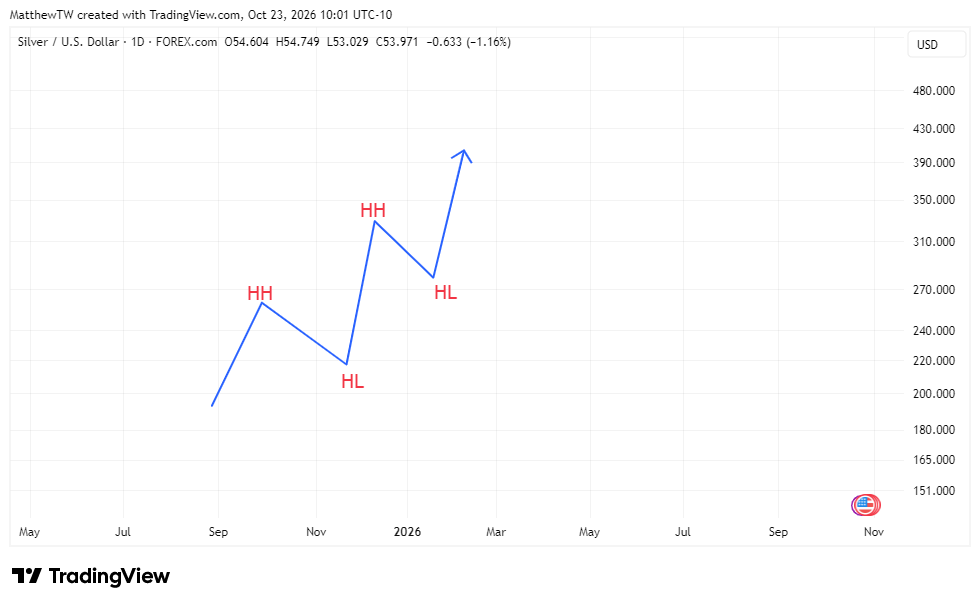
- Higher Highs (HH)
- Higher Lows (HL)
A bearish market forms:
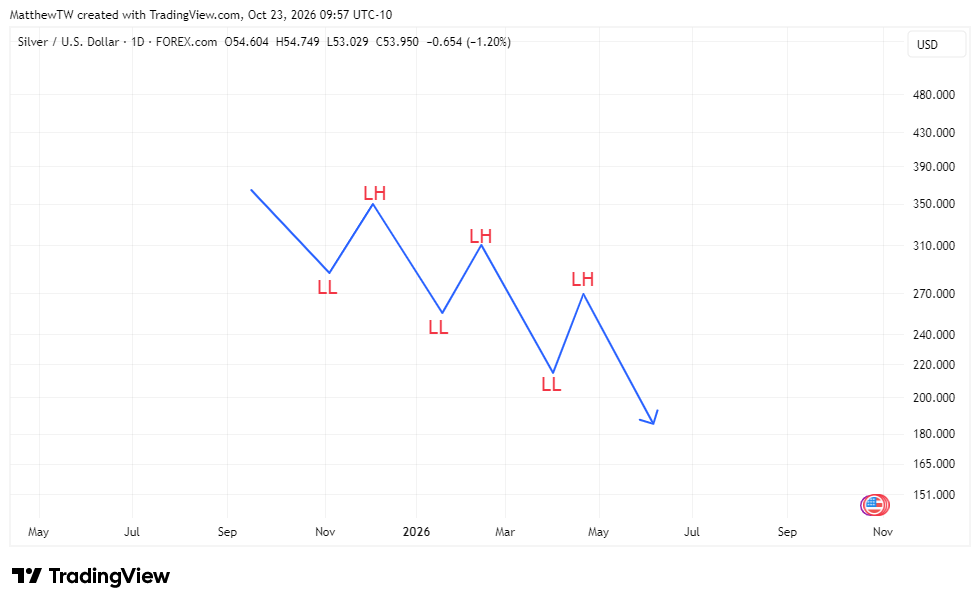
- Lower Lows (LL)
- Lower Highs (LH)
By identifying the current market structure, traders can determine whether they should look for buying or selling opportunities.
Bullish Structure Example
- Price creates a higher high.
- Price retraces and forms a higher low.
- Price continues upward.
This signals that buyers remain in control.
Bearish Structure Example
- Price forms a lower low.
- Price retraces into a lower high.
- Price continues downward.
This indicates sellers are dominating the market.
Break of Structure (BOS)
A Break of Structure occurs when price breaks a significant swing point in the direction of the trend.
Bullish BOS
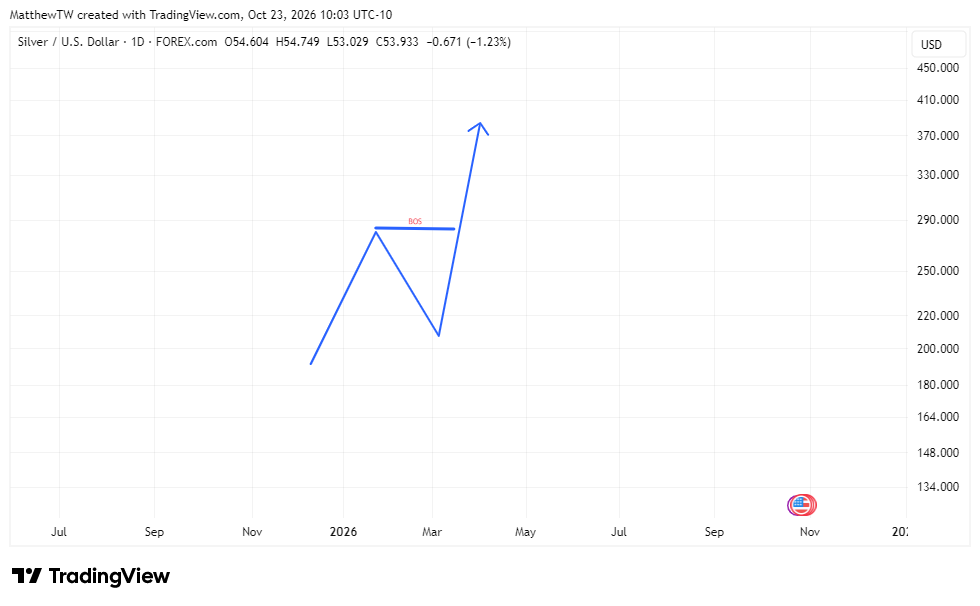
When price breaks a previous high, it confirms bullish strength.
Bearish BOS
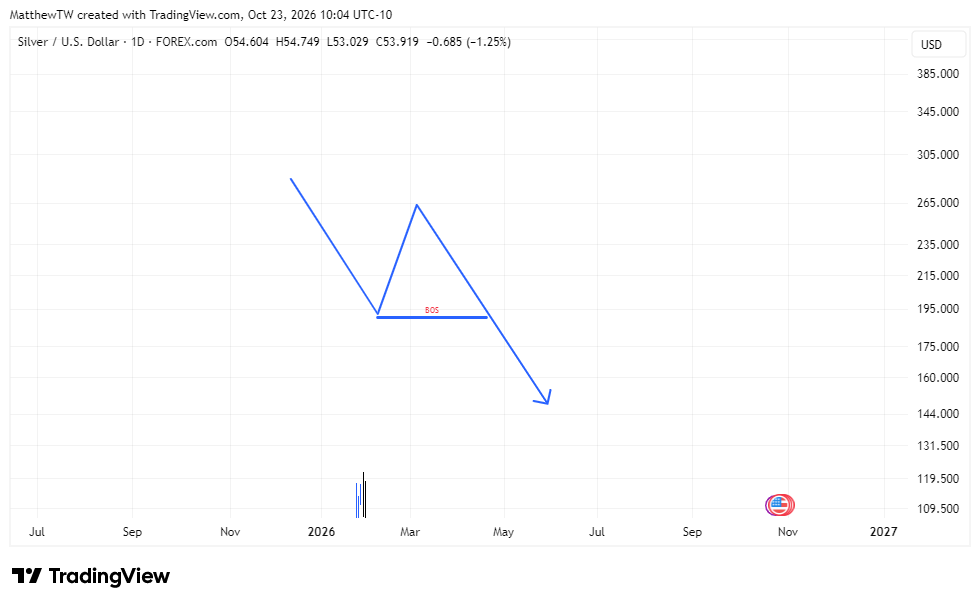
When price breaks below a previous low, it confirms bearish momentum.
A BOS provides confirmation that the trend is continuing and helps traders avoid entering against strong market momentum.
Change of Character (CHOCH)
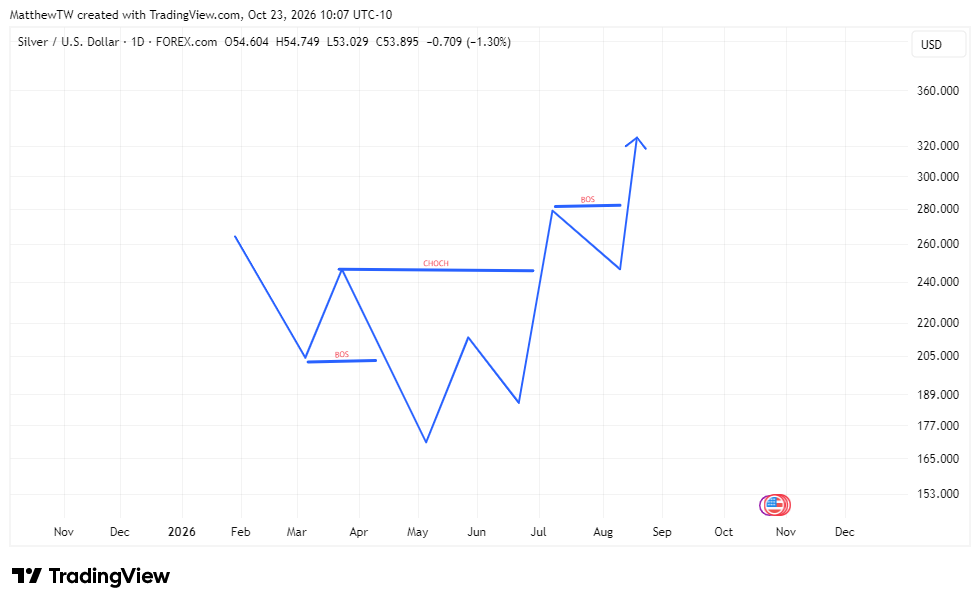
A Change of Character is an early warning sign that a trend may be reversing.
For example:
- A bearish market creates lower lows.
- Suddenly, price breaks a significant lower high.
- This suggests that buyers may be gaining control.
CHOCH is often one of the first signs traders watch for before considering a trend reversal.
Understanding the difference between BOS and CHOCH is crucial because BOS indicates continuation while CHOCH suggests potential reversal.
The Importance of Liquidity
Liquidity is one of the most important concepts in SMC.
Liquidity represents areas where many orders are concentrated.
Examples include:
- Stop-loss clusters
- Equal highs
- Equal lows
- Previous swing points
- Psychological levels
Institutions often target these areas because they provide enough volume for large orders to be executed.
Common Liquidity Zones
Equal Highs
When multiple highs exist at a similar price level, many traders place sell orders or stop losses there.
Equal Lows
When multiple lows form at the same level, traders often place buy orders or stop losses beneath them.
Price tends to sweep these levels before making significant moves.
What Are Order Blocks?
Order Blocks are one of the most popular concepts within Smart Money trading.
An order block is the last bullish or bearish candle before a strong institutional move.
Bullish Order Block
The final bearish candle before a strong bullish move
Bearish Order Block
The final bullish candle before a strong bearish move.
These areas often act as support or resistance because institutions may have unfilled orders there.
Traders wait for price to return to these zones before entering trades.
How to Trade Order Blocks
- Identify the trend.
- Find a valid order block.
- Wait for price to revisit the zone.
- Look for confirmation.
- Enter with proper risk management.
Fair Value Gaps (FVGs)
A Fair Value Gap is an imbalance created when price moves aggressively in one direction.
This leaves a gap between buyers and sellers.
The market often revisits these gaps before continuing in the original direction.
Why FVGs Matter
Fair Value Gaps help traders identify:
- Areas of inefficiency
- Potential retracement zones
- High-probability entry points
When combined with order blocks and market structure, FVGs become powerful trading tools.
The Ideal SMC Trade Setup
Here is a simple Smart Money Concepts trading process:
Step 1: Determine Market Direction
Analyze the higher timeframe to identify the trend.
Step 2: Identify Liquidity
Locate equal highs, equal lows, and key swing points.
Step 3: Wait for Liquidity Sweep
Allow price to collect liquidity before considering an entry.
Step 4: Watch for CHOCH
Observe whether market structure shifts.
Step 5: Find an Order Block
Identify the institutional zone that caused the market move.
Step 6: Enter the Trade
Wait for price to retrace into the order block and look for confirmation.
Step 7: Manage Risk
Risk only 1% to 2% per trade.
This structured process helps traders remain disciplined and avoid emotional decisions.
Risk Management: The Key to Long-Term Success
Even the best strategy can fail without proper risk management.
Professional traders focus on protecting capital before pursuing profits.
Key risk management rules include:
Never Risk Too Much
Limit risk to a small percentage of your trading account.
Use Stop Losses
Every trade should have a predefined exit point.
Maintain a Positive Risk-to-Reward Ratio
Aim for at least a 1:2 risk-to-reward ratio whenever possible
Avoid Overtrading
Only take setups that align with your trading plan.
Consistent risk management often separates profitable traders from losing traders.
Common Mistakes SMC Traders Make
1. Trading Every Order Block
Not all order blocks are valid. Always seek confirmation.
2. Ignoring Higher Timeframes
Higher timeframes provide critical market context.
3. Chasing Price
Entering after the move has already occurred often leads to poor entries.
4. Overcomplicating Analysis
Many traders overload charts with unnecessary concepts.
Keep your analysis simple.
5. Poor Risk Management
Large position sizes can quickly destroy an account.
Best Currency Pairs for SMC Trading
Some pairs tend to work particularly well with Smart Money Concepts:
EUR/USD
Highly liquid and widely traded.
GBP/USD
Offers strong volatility and liquidity.
USD/JPY
Provides clean market structures.
AUD/USD
Often respects institutional levels effectively.
XAU/USD (Gold) AND XAG/USD
Popular among SMC traders due to its tendency to create significant liquidity sweeps.
Is SMC Suitable for Beginners?
Yes, but beginners should first understand basic forex concepts before diving into advanced market structure analysis.
New traders should focus on:
- Market structure
- Support and resistance
- Risk management
- Trading psychology
Once these foundations are mastered, Smart Money Concepts becomes much easier to understand and implement.
Final Thoughts
Smart Money Concepts has become one of the most discussed trading methodologies in modern forex trading, and for good reason. Rather than relying exclusively on lagging indicators, SMC helps traders understand the mechanics behind price movement, liquidity, and institutional order flow
While no strategy guarantees success, SMC provides a logical framework for identifying high-probability trading opportunities. By mastering market structure, liquidity, order blocks, and fair value gaps, traders can develop a deeper understanding of how the forex market operates.
The real key to success is not simply learning SMC concepts but applying them consistently with patience, discipline, and sound risk management. When combined with proper execution, Smart Money Concepts can become a powerful addition to any trader’s toolkit.